Quick Facts About Slovenia
- Official name: Republic of Slovenia
- Independence date: June 25, 1991
- Member of the EU?: Yes
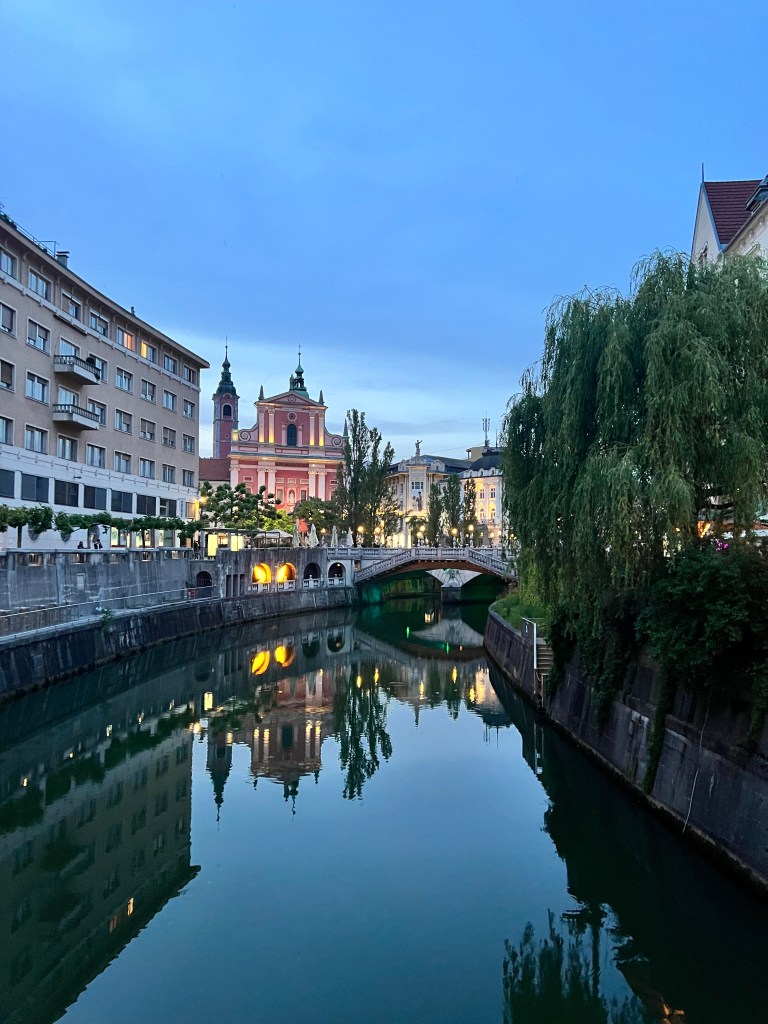
- Capital: Ljubljana
- Currency: Euro
- Power Adapter: Type C or Type F
- Population: 2,120,000 (2024 est.)
- Yearly tourist visits: 6 million (2023 est.)
- How to get around: A car is probably the best option, especially if you are based in Ljubljana.
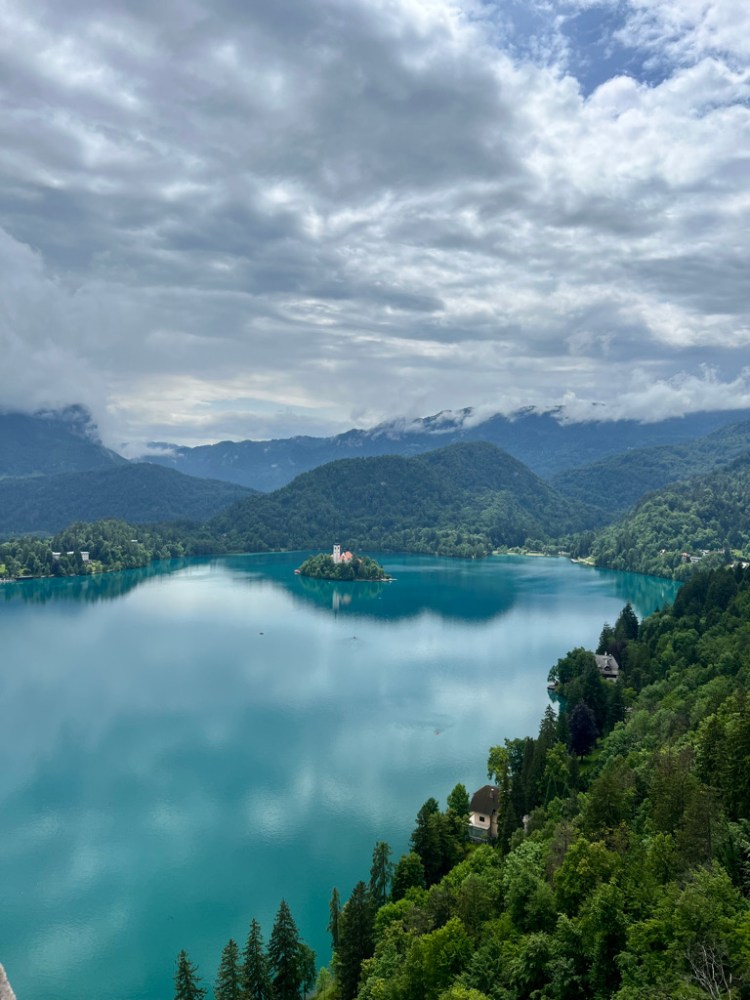
- Best known for: Stunning scenery, from lakes to rolling hills to beaches to mountains!
A brief history of Slovenia
Prior to the Roman conquest in the first century BC, Slovenia was inhabited by Illyrian and Celtic tribes. The Romans established many important cities in the region, though the later decades of the empire featured near constant invasion and plundering from enemies of Rome due to Slovenia’s strategic location near the Italian Peninsula. With the fall of Rome many cities were destroyed and ownership of the region was contested for the next few centuries. During this period the Slavic ancestors of today’s Slovenes first arrived in the region.
In the 15th Century Slovenia was incorporated into the Habsburg Monarchy. Over the subsequent 300 years, again due to it’s vital strategic location, Slovenia was a battlefield between the Habsburgs and other powers including the Ottomans and Venetians. Slovene national identity and culture was enhanced and encouraged during the Enlightenment, which was only enhanced by the short period of French rule from 1805-1813 when Slovenia was an autonomous region in the Empire and the capital was established in Ljubljana. After the reestablishment of Austrian rule in 1813, Slovenes increasingly pushed for a “United Slovenia” right up until World War I.
Following the downfall of the Austro-Hungarian Empire in 1918, Slovenes, along with Croats and Serbs, declared an independent state which would eventually merge with Serbia to create Yugoslavia in 1929. The interwar period saw great economic development for some parts of Slovenia, notably Ljubljana and Maribor, while Bled gained international fame as a tourist destination. In 1941, Hitler wanted to shore up his southeastern flank in anticipation of his invasion of the Soviet Union. Thus, German and Italian forces invaded and easily occupied Yugoslavia in the spring of 1941. Occupation led to resistance, mostly by the Communist Party which was able to stage a revolution and seize power.
The Communists would remain in power until 1990, though due to personal disputes between Yugoslav leader Josip Tito and the Soviet Premier Joseph Stalin, Yugoslavia was not closely aligned with the rest of the Communist world. In the 1980s desires for freedom, not only from communism but also from Yugoslavia, rapidly gained steam in Slovenia. Communist power waned and Slovenia officially declared independence in 1991, and by October of that year the Yugoslavian Army had left Slovenian territory. Subsequently, Slovenia has aligned increasingly with the rest of Europe and has joined both the EU and NATO.