Typically, massive metropolitan cities are a bit lower on our list of favorite destinations. We thought Budapest would be more of the same, but we were extremely surprised! We fell in love with Budapest – there is so much to do, so much history, so much culture, so much charm… it’s a fantastic city that should definitely be on your list of top places to visit!
While we’ll be listing the 20 best experiences you can have in Budapest below, make sure to check out how we spent 4 days in the city! Budapest is a place we are constantly talking about returning to and completing this list, as we only scratched the surface of incredible things to do in this beautiful city.
Before diving into the best things to do, here are some quick suggestions of where to stay:
District 5: Also known as “downtown” Budapest, it is located on the Pest side very close to numerous restaurants and many of the locations we’ll mention below. For Budget travelers, consider the H2 Hotel, Budapest and Three Corners Art Hotel. For higher end, one of The Four Seasons Gresham Palace or Matild Palace is an excellent choice.
District 1: Aka the “Castle District” on the Buda side is perfectly situated to take advantage of all Buda has to offer. For budget travelers, we recommend Monastery Boutique Hotel and Boutique Hotel Victoria. For luxury budgets, consider Maison Bistro Hotel or Hotel Clark.
District 7: This is the former Jewish Quarter, and as such it is the “young heart” of the city with ruin bars and a unique atmosphere. We recommend Florin Apart Hotel and Bo33 Hotel Family & Suites for budget travelers, and Anantra New York Palace or Queen’s Court Hotel & Residence for higher end.
Now on to the top experiences in Budapest!
The 20 Best Things to do in Budapest
*Disclaimer: This post may contain affiliate links, which means we may receive a commission if you make a purchase/booking through a link at no extra cost to you. We hope this information helps you plan your next vacation.
Get out of the city on a wine tour!
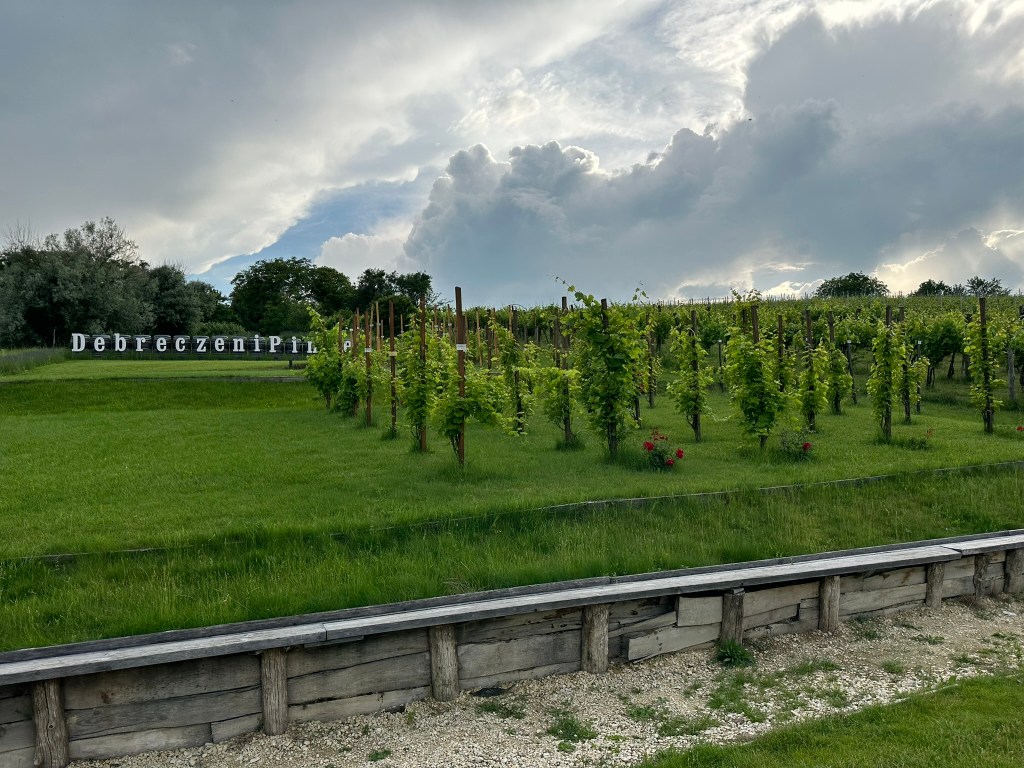
Hungary isn’t well known as a wine destination, but it definitely should be! Located just 30 kilometers from Budapest, the Etyek wine region is as picturesque as any we’ve been to. On the whole, Hungary produces about 1% of the global wine production each year, and most of the wine is either consumed in Hungary or exported to its neighboring countries.
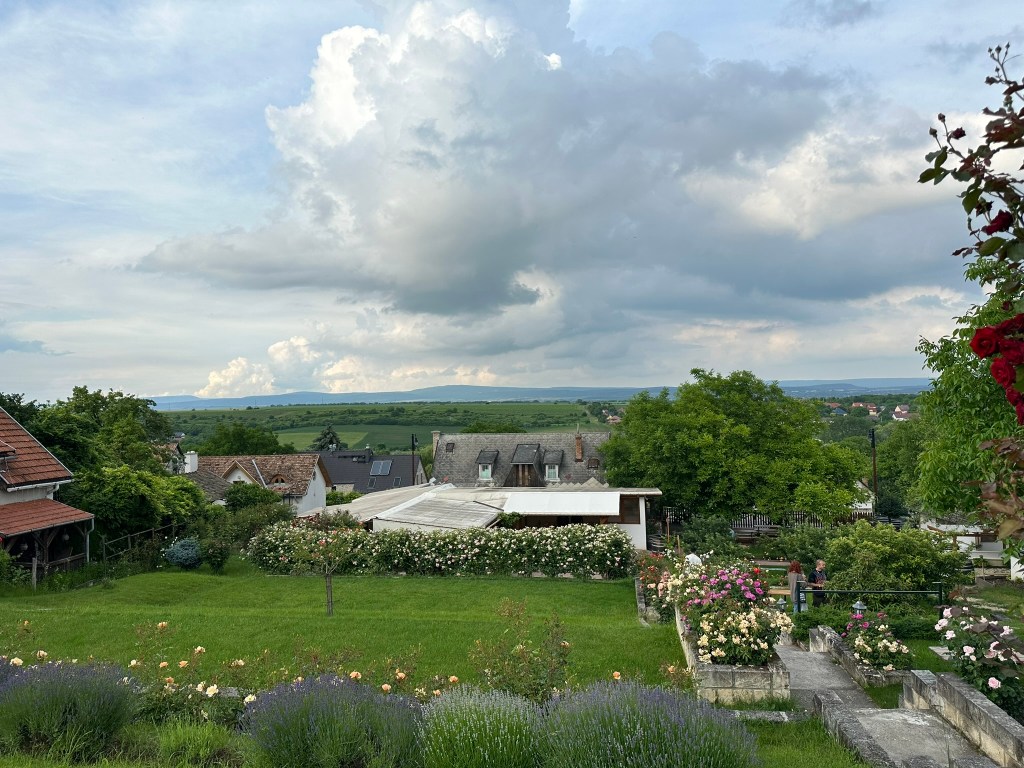
While Hungary isn’t super well known for wine, Etyek itself is renowned for its quality white wines. These include the typical Chardonnay, Sauvignon Blanc, and Pinot Gris, however there are also more local varietals that are fun to try such as Olaszrizling, Zöldveltelini, and Müller-Thurgau. We highly recommend spending a day or half a day in Etyek on a wine tour, especially if you like wine and beautiful scenery!
Experience Luxury at Cafe New York
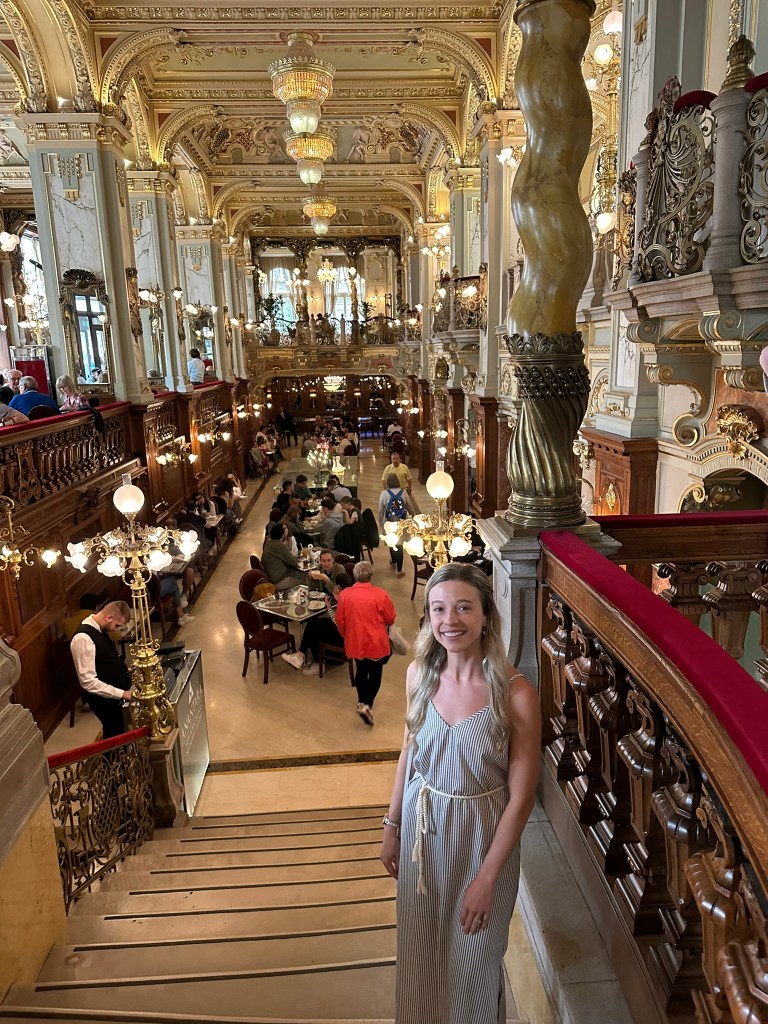
This is definitely on the “touristy” side of things to do in Budapest, but it’s such a lovely experience. Designed for maximum opulence, Cafe New York is extravagant and luxurious. The grandiose interior is separated by marvelous marble columns, and each aspect of it is designed to make you feel splendid. For more than 120 years the “Most Beautiful Cafe in Budapest” has hosted famous Hungarian writers and poets, and it’s absolutely worth a stop on your trip!
When you visit, be sure to come early or be prepared to wait! Reservations are only available for dinner after 6pm, though the Cafe is open from 7am to midnight.
Come Face to Face with Evil at the Museum of Terror
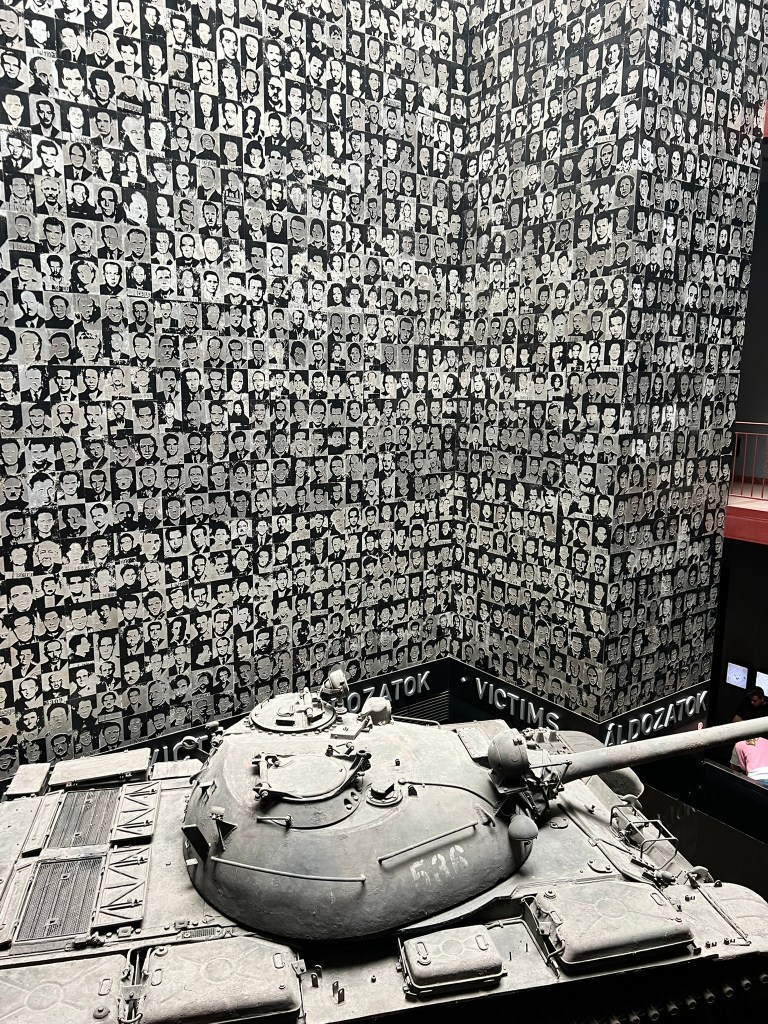
For a truly memorable experience, head to the Museum of Terror. This museum is exquisitely done and incredibly moving, delving into the sad history of two authoritarian regimes that terrorized the Hungarian people for nearly 50 years. One of the most striking parts of the museum is its location – set in the exact building where the Communist secret police (the AHV) actually kept and tortured political prisoners.
The museum shows just how much Central and Eastern Europe suffered first under the Arrow Cross Party (allies of the Nazis), then under the Communists. We know this will leave a lasting impression. We’ve been to many museums around the world and this is the best one!
Tour the Most Beautiful Parliament in Europe
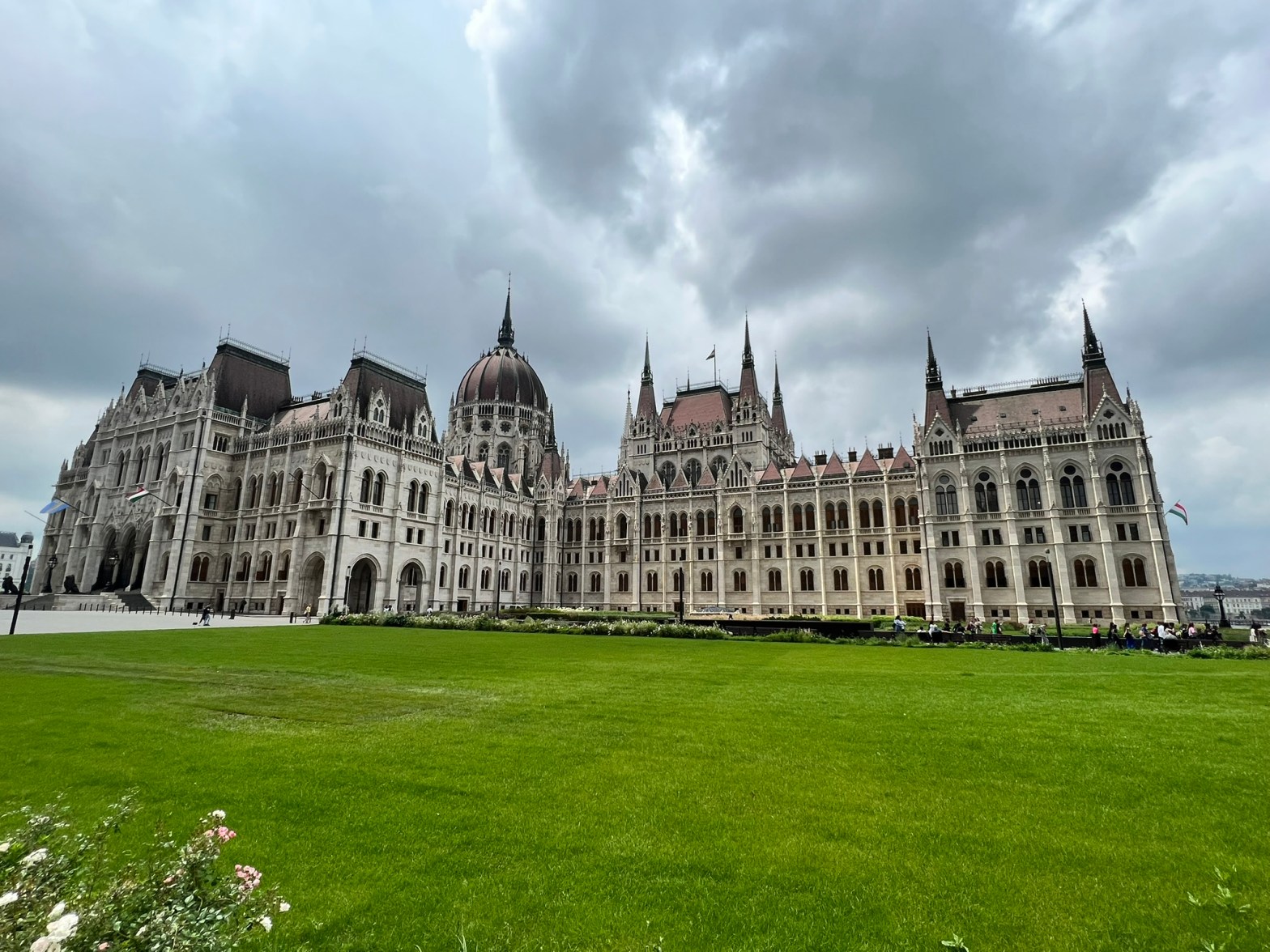
While Europe is full of beautiful buildings, the Hungarian Parliament building just might be the most beautiful. Situated prominently on the Pest side of the Danube, construction on the building began 7 years after Buda and Pest were united to form Budapest in 1873. The building was intended to display the sovereignty and power of the Hungarian nation, and since its completion in 1902 it has been the largest building in the country.

Whether you experience the building during the day or in all its majesty at night, the Hungarian Parliament is sure to leave a lasting impression. While the building is gorgeous from the outside, a tour is an activity that can’t be missed. The tour is on the pricier side (roughly $40 as of 2025), though we think it will be well worth it. Just make sure to book at least a few weeks in advance as tickets do sell out quickly!
See Buda Castle and Fisherman’s Bastion

On the Buda side of the Danube sits a grouping of landmarks that can and should be seen together. On the aptly named Castle Hill sits Buda Castle, the home of Hungarian Royalty dating back to the 1300s. Buda Castle was destroyed and rebuilt several times, most notably after the Christian victory over the Ottomans in the 1600s and after it was reduced to ruins as the Soviets defeated the Nazis in World War II.
Following the War Buda Castle was reconstructed to reflect the Baroque charm it exuded at its height in the late 19th Century. To visit the Castle grounds does not require a ticket, though the museums and galleries within do. The best option might be to book a guided tour like this one to see everything it has to offer!
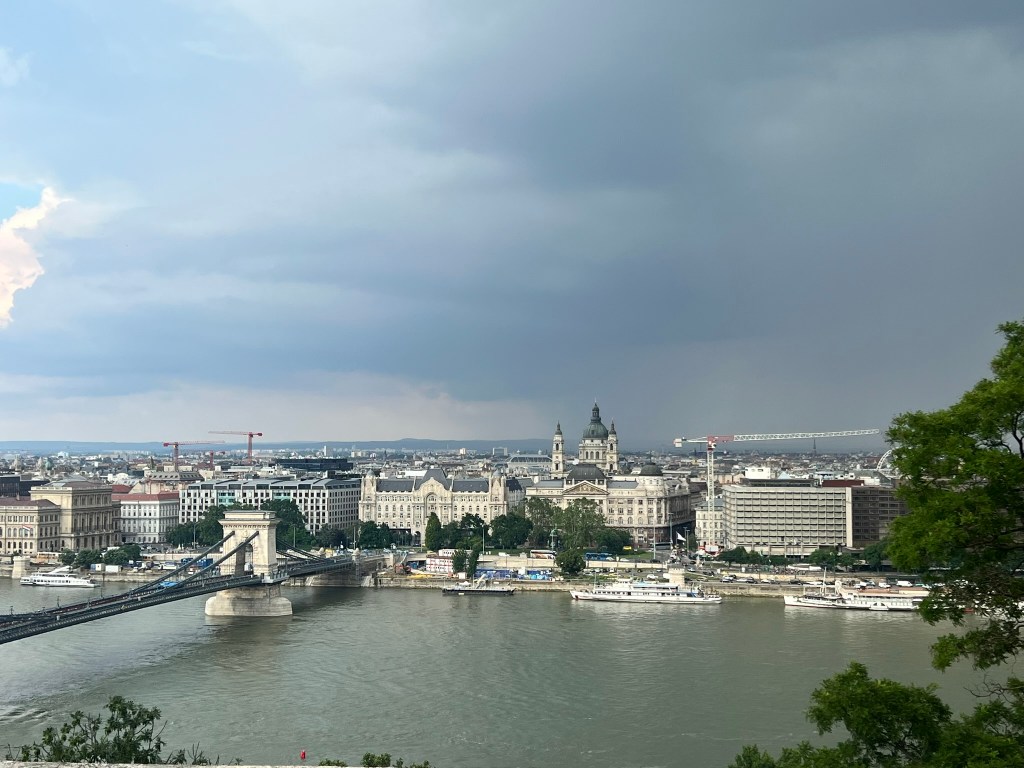
Just next door, Fisherman’s Bastion was built in 1895 (completed in 1902) to commemorate the 1000 anniversary of the foundation of the Hungarian state. Not constructed for a military purpose, rather the Bastion was designed as a lookout point featuring panoramic views of Budapest below. It is free to visit and you’re sure to be treated to an unforgettable view!
Admire Mathias Church
Mathias Church is one of the most famous buildings in Hungary. Located on the Buda Hills, Church tradition states that the first building on the site was founded by Saint Stephen, King of Hungary, in 1015. The original building was destroyed during the Mongol invasions of 1241, and the current Church was erected in the later half of the 13th Century. The Church expanded and reach its zenith in prosperity during the reign of Mathias in the 15th Century, though at the time it was referred to as the the Church of Mary.
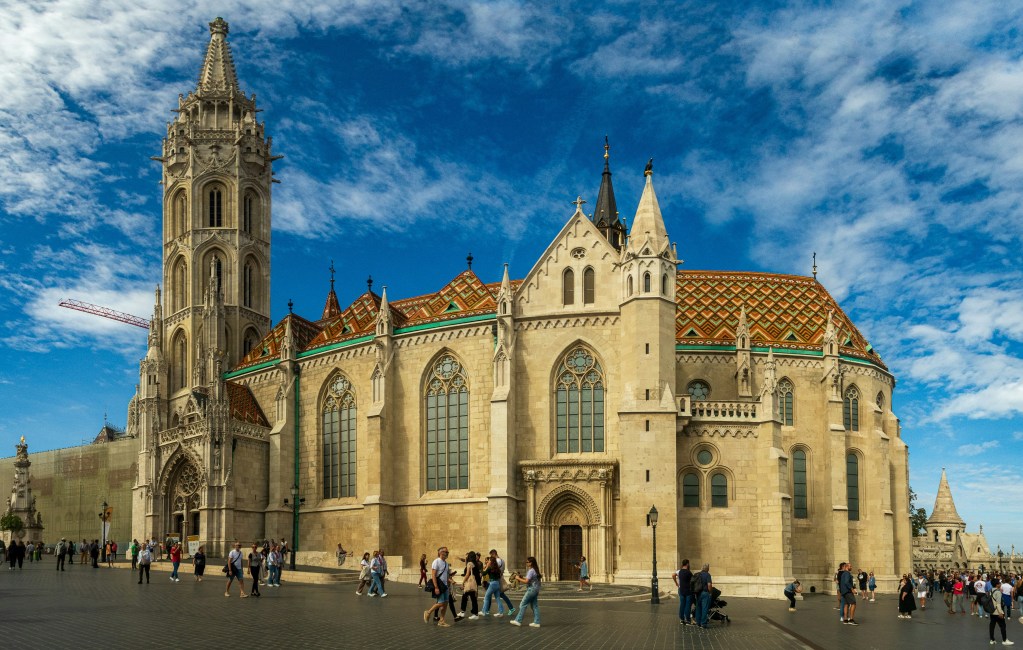
In the 19th Century the Church was renamed after Mathias, giving it its current name. The last two kings of Hungary, ascending just before and during World War I, were crowned in Mathias Church, giving it even more historical importance. If all that is not enough for a visit, the inside of the Church is incredible and absolutely beautiful. Church services are free to visit, though tourists will likely need to purchase a ticket to see the inside.
Relax at the Luxurious Széchenyi Baths

The history of thermal baths in Budapest dates all the way back to the Roman settlements in what would become Buda. The culture of bathing persisted throughout the centuries and was expanded during the Ottoman occupation of the 16th Century. In the late 19th Century, enterprising Hungarians sought to reestablish Budapest as a hub for thermal bathing.
In 1875, Vilmos Zsigmondi finally struck a thermal spring after drilling more than 3,000 feet below the Budapest City Park. The site would become the Széchenyi Baths, which officially opened in 1913. Immediately the thermal bath was a hit, with more than 200 thousand visitors in the first year. That number grew to almost 900 thousand by 1919 and has continued to expand ever since.
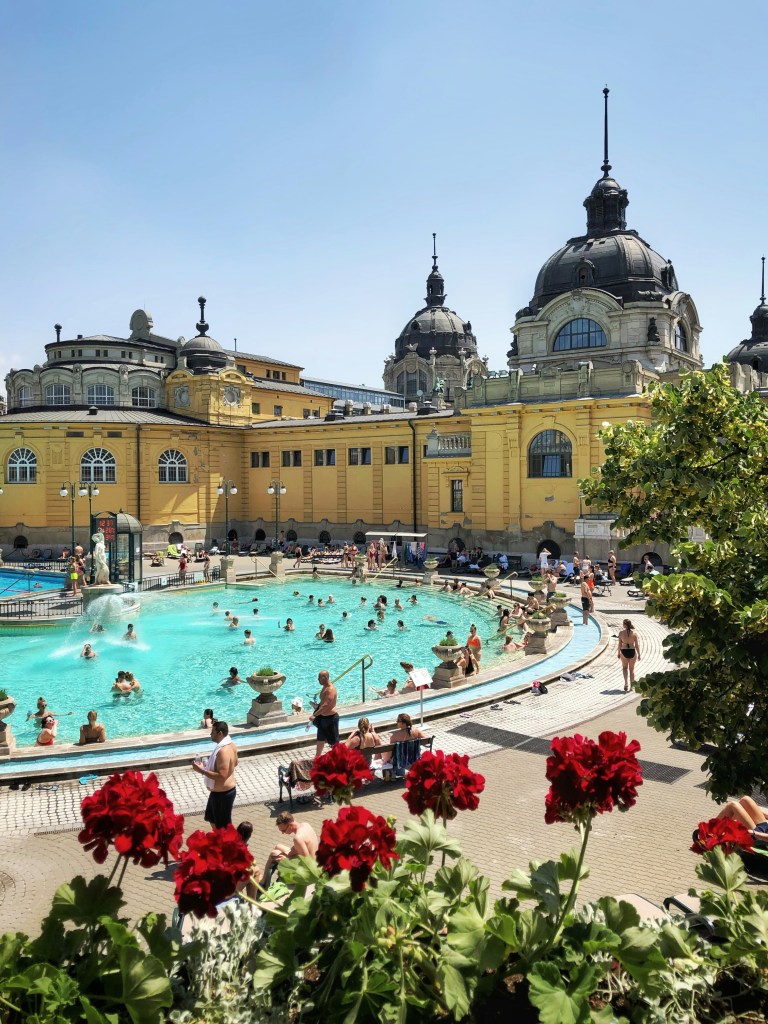
Today, the Széchenyi Baths consist of 15 indoor and 3 outdoor pools, 6 saunas, several massage areas, and more! It is a grand destination, built for opulence that still shows a century later. While a popular tourist attraction, it nonetheless is a fantastic way to spend a relaxing afternoon. It might be worth it to book tickets in advance as they can often sell out during peak times!
Or Enjoy Peace at Rudas Baths
For a more intimate, more historic experience, consider going to the Rudas Baths. Built by the Ottomans in 1571/2, the Rudas Baths contain many hallmarks of traditional Ottoman buildings. The design echoes the design of many different Ottoman constructions located back in Istanbul, making this a really unique experience in Budapest. Specifically, the Rudas Baths contain a conventional Ottoman dome and octagonal pool – the true calling card for this experience.
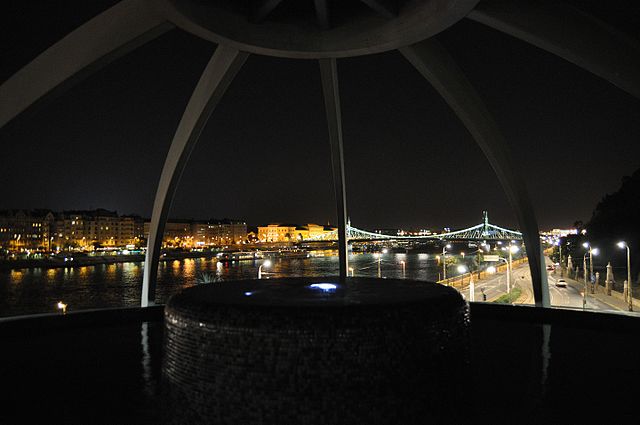
Unlike other baths in the city, Rudas Baths still maintain some traditional Ottoman elements such as separate bathing for men and women during the week (open to all during the weekend). The complex contains 6 different baths, a swimming pool, and more wellness areas! Tickets can be purchased here. The experience of relaxing under the Ottoman Dome is one you surely won’t forget!
See the City on a Walking Food Tour
One of the best ways to experience a new city, especially in a new country, is through a walking food tour. These tours combine lessons on local history and culture, sightseeing, and of course the main attraction: delicious food. You’re sure to try something you ordinarily wouldn’t have, and may not even have heard of before. We always have the best time on one of these tours, and we know you will too!
In Budapest the food tour will likely allow you to sample local delicacies such as goulash, Hungarian langos, Gulyas soup, Hungarian sausages, and of course strudel! Depending on the tour you also might see St. Stephan’s Basilica or other famous landmarks and learn all about this fantastic city and country. We highly recommend booking a tour early during your stay so that you can get your favorite dishes multiple times!
Taste Your Way Through Central Market Hall

The oldest and largest indoor market hall in Budapest, the Central Market Hall opened in 1897. The idea of a market hall in the city stemmed from the 1860s, when leaders began pushing for a better food supply. One of the main driving forces behind the market hall was the idea that food should be inspected and verified before being sold. Thus, the indoor market hall rose in importance in Budapest.
The Central Market Hall has 3 levels and covers more than 10 thousand square meters. Like many structures in Budapest, the Hall was heavily damaged in WWII and left in a deteriorated condition until public interest revived in the 1990s. After 6 years of renovation, the Central Market Hall was reopened in 1997 and, nearly 30 years later, remains one of the most popular tourist attractions in the city.

There are several restaurants (albeit with limited seating) and countless stalls selling everything from souvenirs to meat to one of the items Hungary is known for – paprika. Spend a couple of hours exploring the Hall, grab some lunch, and pick up something to take home as well!
Be Transfixed by St Stephen’s Basilica
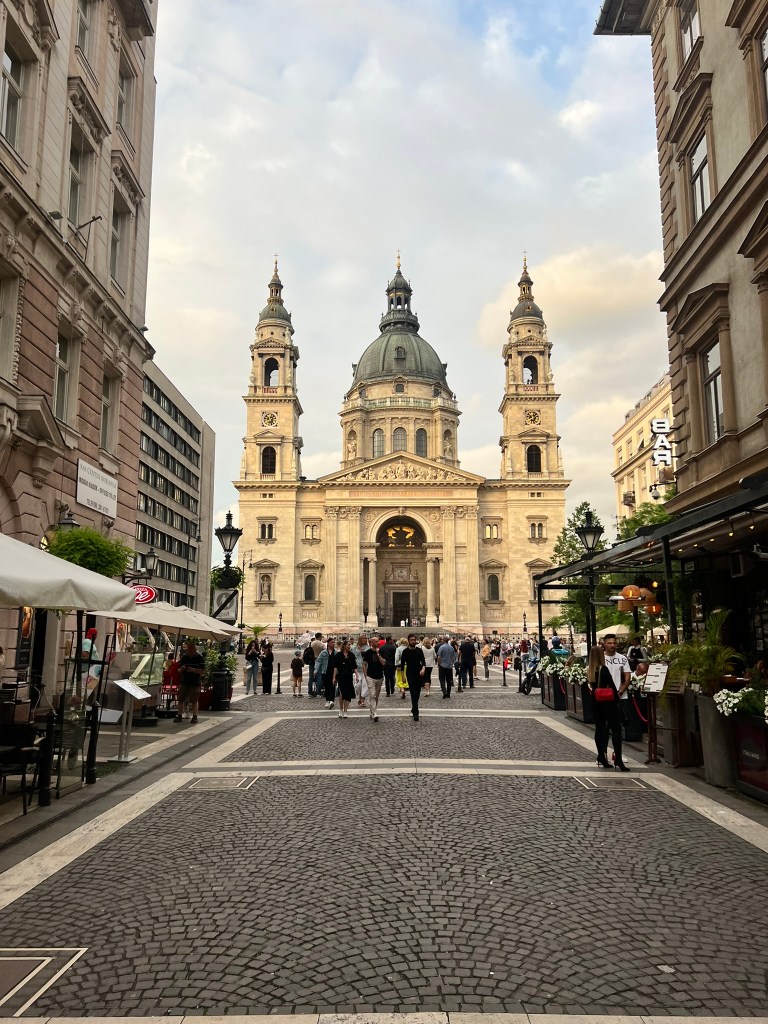
One of the most beautiful buildings in Budapest, and the third largest church in Hungary, St. Stephen’s Basilica is absolutely worth visiting. Named after Saint Stephen, the first King of Hungary more than 1000 years ago, the church is just over 200 years old. In the 1810s, local Catholics began raising funds to build the church, though donations really took off after the relative high ground the future Basilica would sit on offered some refuge from the devastating floods of 1838.

During WWII the church suffered significant damage but remained a place of refuge, sheltering individuals and Hungarian national treasures. Today, the Basilica has been restored to its former glory and it is estimated that millions of people visit it every year. Entrance now requires a ticket, and be sure to check out the opening hours! There are three main areas to see – the main Congress Hall, the Treasury, and the Panoramic Terrace.
Reflect on The Shoes on the Danube Bank
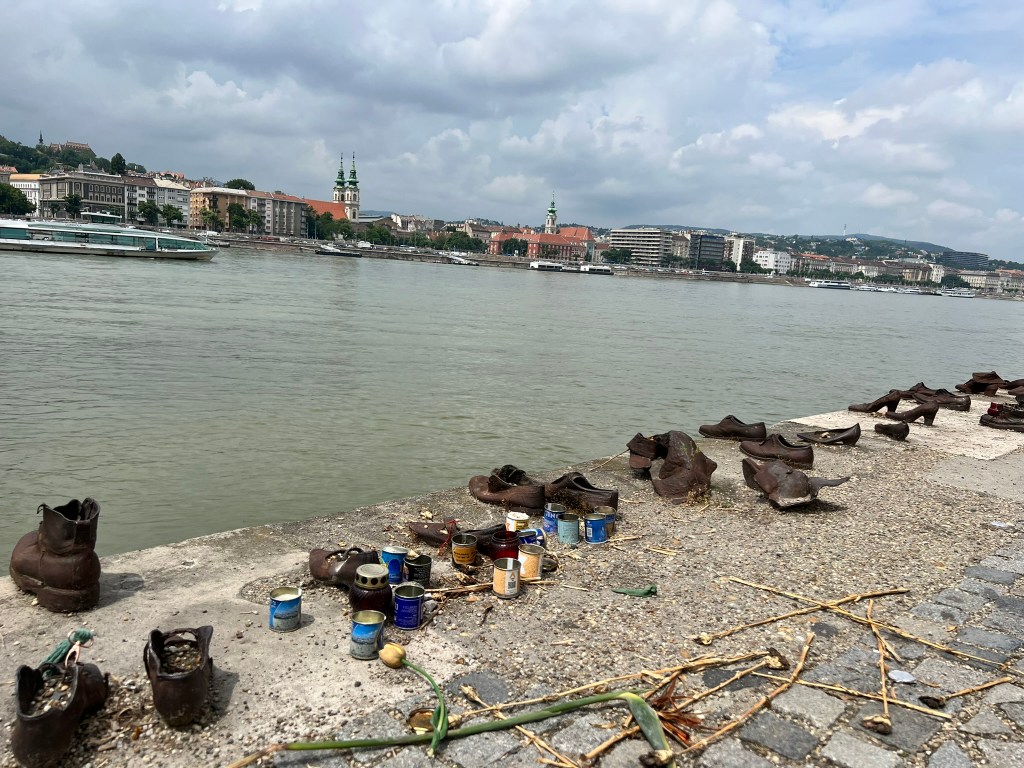
One of the most striking and somber memorials of the Holocaust is the Shoes on the Danube Bank Memorial, an outdoor tribute to Jews and others murdered in Budapest during WWII. In a particularly sinister episode during the winter of 1944-1945, members of the fascist Arrow Cross Party of Hungary (allies of the Nazis) rounded up the Jews of Budapest, marched them to the edge of the Danube, then shot them so that their bodies would fall into the river and be carried away. It is estimated that 3500 people, including 800 Jews, were murdered in this way.
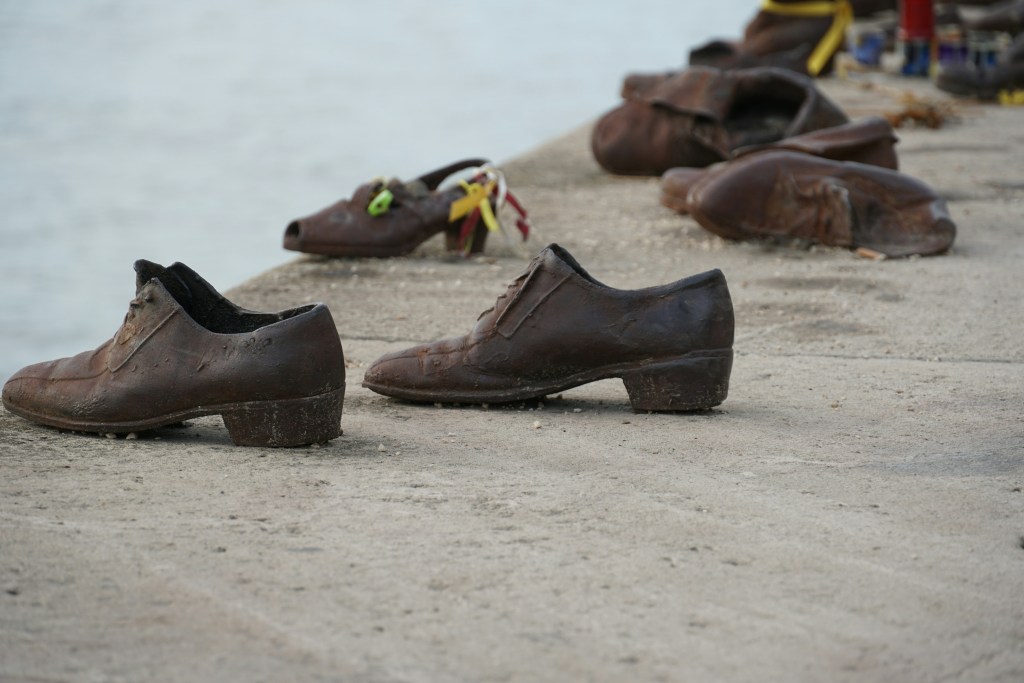
The memorial sits on the Pest side of the Danube, just a few hundred yards from Parliament. The memorial itself consists of 60 pairs of period-specific shoes strewn about on the edge of the Danube, as a lasting monument where the victims were forced to take their shoes off before being executed. While not a “fun” thing to do, it’s a thought-provoking and important piece of history that shouldn’t be skipped.
Let Loose in a Ruin Bar

One of the most unique experiences in Budapest is to go to a ruin bar. The history of the ruin bars dates back to the Jewish ghetto of World War II, when 10,000 Jews were deported from Budapest. In the decades following the war, the buildings in the district became increasingly run down and sat abandoned. Then, in the early 2000s, entrepreneurs began an experiment in an old run down building.
In 2004, Szimpla was opened with the goal of providing cheap drinks and a cool hangout for young people in a dilapidated building. It was wildly successful, and the legend of the ruin bars was born. Today, Szimpla is one of the most famous bars in the world and must be on the list of top things to do in Budapest. We had an absolute blast when we went and we know you will too!

Saunter Across Széchenyi Chain Bridge
Perhaps the most famous bridge across the Danube, the Széchenyi Chain Bridge is also the first permanent bridge to cross the majestic river in Hungary. Opened in 1849, the Széchenyi Chain Bridge features iconic carved stone lions that were installed in 1852. While the bridge was reinforced in the early 20th Century, it was destroyed by the retreating German Army after the Siege of Budapest in 1945. The current bridge was rebuilt and reopened in 1949.
The bridge recently underwent renovations in the early 2020s, during which the bridge was closed to car traffic. Residents of Budapest decided to make that restriction permanent, and moving forward the bridge will only be open to foot, cyclist, taxi, and city bus traffic. We recommend walking across the bridge for a great view of both sides of the city, and the Buda side will drop you right at the funicular to head up to Buda Castle!
Admire Budapest on an Evening Cruise
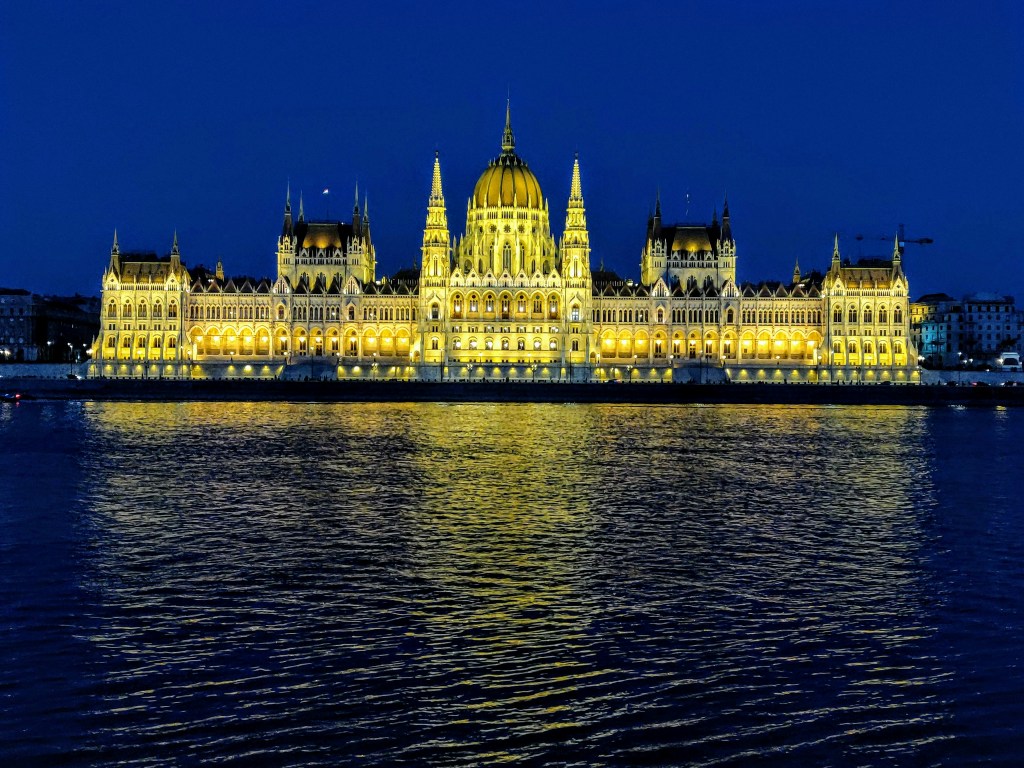
For a truly magical experience, consider an evening cruise on the Danube River. Budapest, particularly along the Danube, is one of the most beautiful cities in Europe to see at night. Buildings on each side look magical in the evening light, and there is no better way to experience the city’s majesty than a river cruise with a full panoramic view.
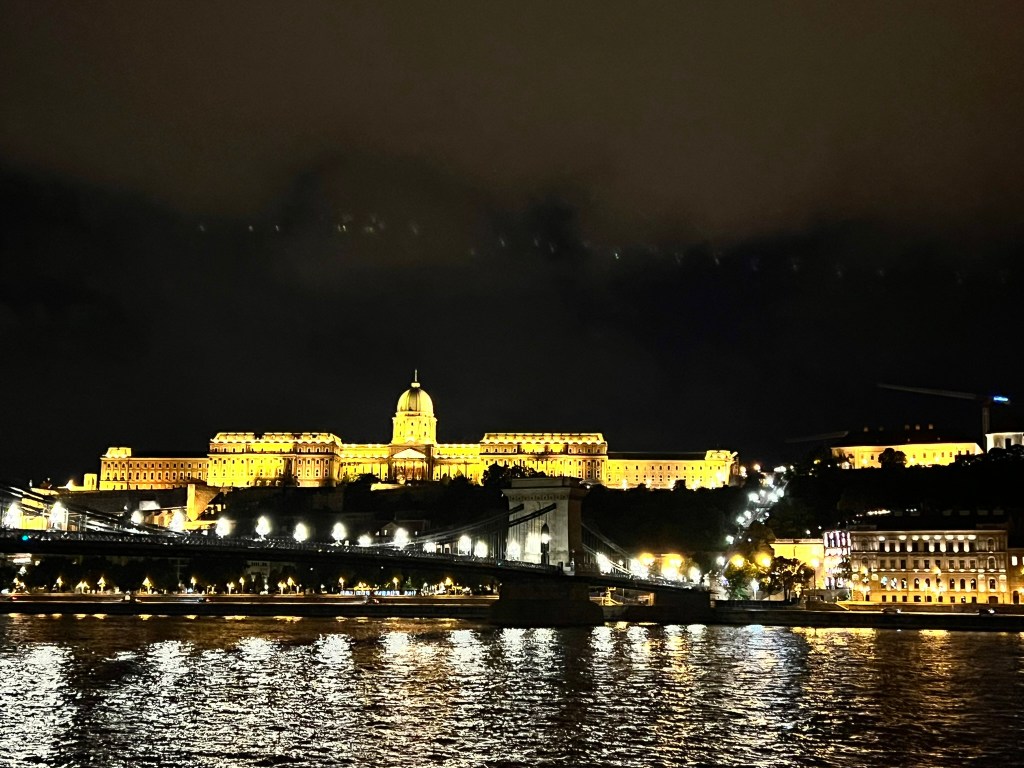
There are a few different types of cruises, with each generally lasting around 90 minutes. We’ve heard from many different people that a Prosecco River Cruise, like this one, was one of the highlights of their trip to Budapest. However you choose to enjoy it, make sure you experience Budapest in the evening from the Danube River!
Try the food: Goulash, apple strudel, chimney cake!
This may seem like an obvious one, but Hungarian food is unique and delicious! Hungarian food is typically known for being hearty and having a ton of flavor, with many main dishes featuring meat, vegetables, and of course paprika. Some of the foods you must try while in the city include goulash, chicken paprikash, and langos (fried dough). You also can try apple strudel and chimney cake, a delicious dessert found throughout Central Europe but originated in Hungary.
While there are a ton of restaurants to try in Budapest, one that we went to that we loved was Leo Bistro. The rooftop of this restaurant offered an incredible view of the Danube, while the food itself was incredible. But the real star of the show here was the way they serve drinks, where they pick a drink for you based on a stone you pick. It’s a lot of fun! Another location you must go to is the First Strudel House for one of the most delicious apple strudels you’ll ever have!
Head to the Summer Playground of Hungarians: Lake Balaton

No matter where we go, we always try to take at least one day trip outside our base city. Budapest is no exception in this case. One of the top day trips from Budapest has to be Lake Balaton, the largest freshwater lake in Central Europe. Because of its size and close proximity to Budapest, Lake Balaton is known as the “summer playground” of Hungarians. With beach resorts flanking its shores, Lake Balaton is a summer paradise.
The best way to get there may be to rent a car and make the 1.5 hour drive on your own, giving you the freedom and flexibility to enjoy this beautiful natural wonder at your own pace. Otherwise, there are various tours that will take you to Lake Balaton and different towns along its shores. Or, if you can extend your trip, consider staying at one of its fantastic resorts. No matter what you choose, you won’t regret making the journey to this beautiful lake!
Admire the Beauty of Danube Bend
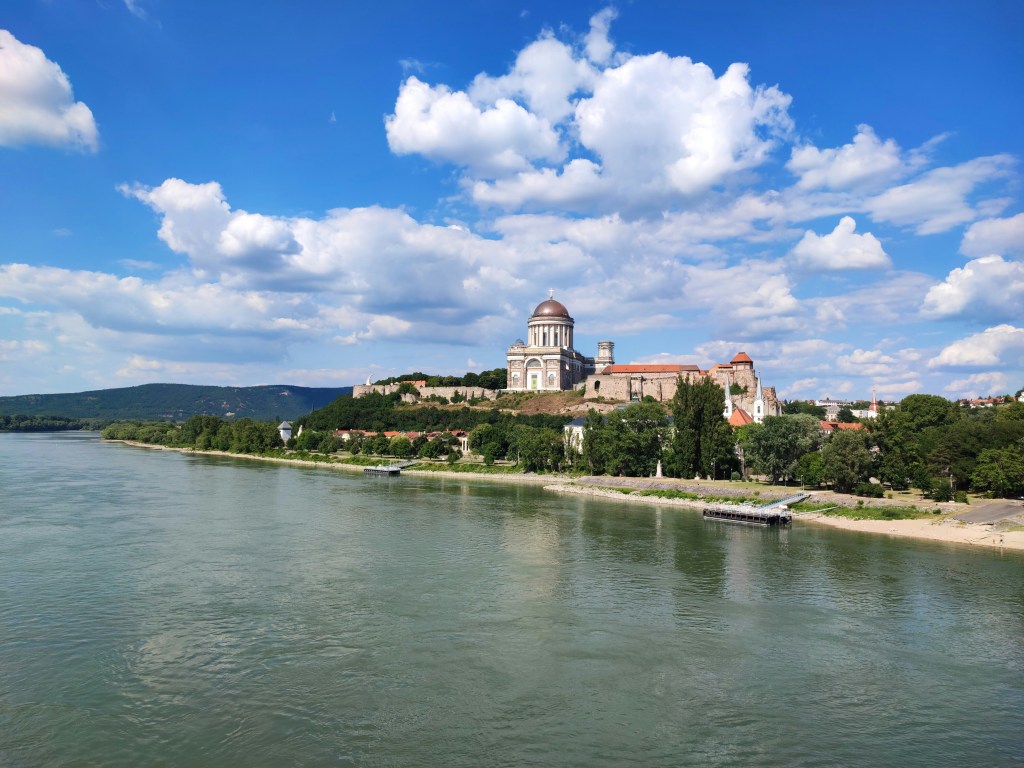
The Danube Bend, an absolutely gorgeous region of Hungary where the Danube River winds into a dramatic horseshoe. The view of the Bend is unforgettable, but beyond just the river the small towns in the region are definitely worth visiting. There are multiple towns around the Danube Bend such as Visegrad and Szentendre that are perfect to visit on a day trip.
The best way to visit this region is likely a tour from Budapest, as this will provide transportation and keep you on a well defined schedule. You can also hire a car and make the drive yourself, as the drive from Budapest to Visegrad, the town closest to the Bend, is just 45 minutes or so. If you have more time and prefer a truly leisurely experience, you can also cruise from Budapest along the Danube up to Visegrad.
See another Capital: Bratislava

Just about 2 hours from Budapest by either train or car is another capital of Europe – Bratislava. On the edge of what we typically recommend for a day trip, Bratislava is the perfect city to spend a day in. Despite being a lesser known and visited city, it offers a wonderful blend of charm and history in a relatively small and easy to see package.
However you choose to get there, you’ll likely spend most of your time in the beautiful Old Town. Walk through Michael’s Gate, see St. Martin’s Cathedral and the Blue Church, and visit Bratislava Castle. Spend some time shopping and make sure to try some delicious potato dumplings and Kofola, the Communist version of Coca-Cola (Coke was banned in the Eastern Block). Check out our day trip to Bratislava from Vienna for more suggestions on what to do!
Experience Quintessential Hungary in Eger
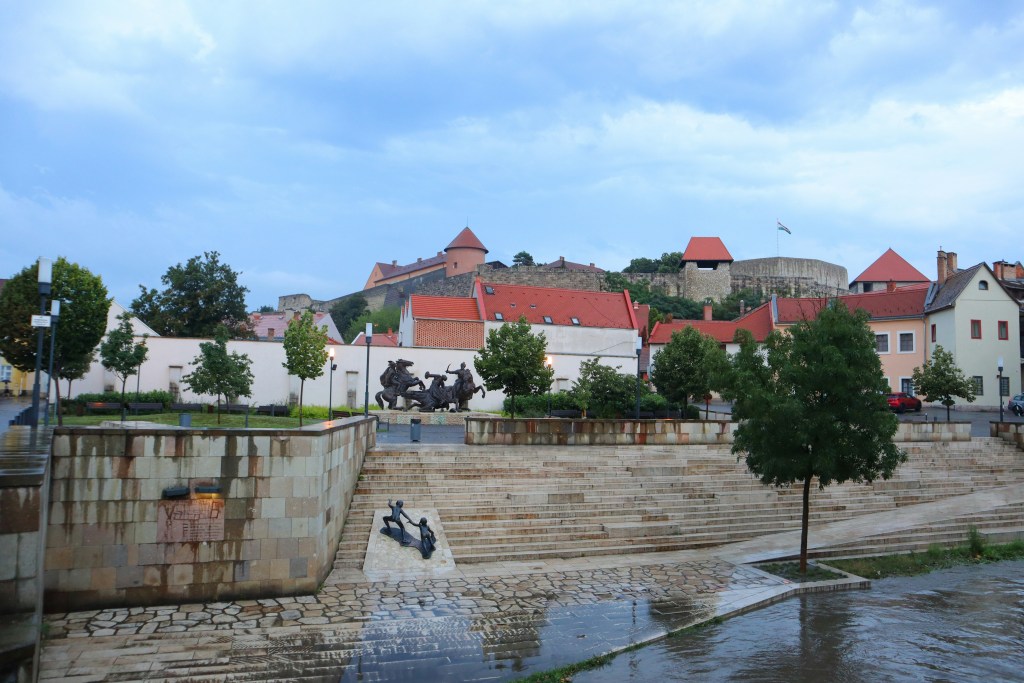
Just a 1.5 hour drive from Budapest sits Eger, a quintessentially Hungarian town with a much different feel than the big city Budapest. Eger is home to many marvelous churches, a lovely Old Town, the required castle overlooking the town, and well kept Turkish Baths. Eger is also one of the biggest wine regions in Hungary, so be sure to stock up while in the city!
Eger is relatively easy to get to as well, as the aforementioned drive is just 1.5 hours. Trains also run frequently and will take a bit less than 2 hours. Eger is one of the typically European towns that visitors dream of when traveling on the continent, and as such it makes for the perfect day trip from Budapest.
There you have it! Those are the top 20 things to do in Budapest, but there are certainly other things to do and see as well in a city of this size. Make sure to give yourself enough time on your trip to see everything you want and we hope you have a fantastic trip!